
Sustainable Event Planning and Strategy
Defining Clear Sustainability Objectives
‘Sustainability isn’t a trend; it’s a booking requirement,’ is a line often heard from seasoned South African planners. In the realm of event management and sustainability, the objective is to weave responsible practice into the guest experience from the first invitation to the last goodbye.
Sustainable Event Planning and Strategy Defining Clear Sustainability Objectives means more than ticking boxes; it asks where impact lives, who benefits, and how the footprint evolves with each venue, vendor, and audience. In practice, this translates to broad, auditable aims that stakeholders can rally behind:
- Environmental stewardship across operations
- Social responsibility and local community engagement
- Economic resilience and transparency
In South Africa, such clarity helps planners navigate load shedding, water scarcity, and a kaleidoscope of venues while preserving elegance!
Choosing Sustainable Formats and Venues
‘Sustainability is the quiet engine of unforgettable experiences,’ a seasoned South African planner once said. In shaping sustainable formats and venues, every invitation becomes a design choice, not a chore. I’ve learned the form of the event reveals our values, guiding how guests move, listen, and connect.
Choosing formats that honor energy and resource limits requires candor with the audience and a willingness to reframe success. Consider formats that reduce travel, enable on-site streaming, and prioritize local storytelling. The goal is to keep the narrative intimate while light on waste.
- Hybrid attendance to cut long-distance travel
- Modular, reusable decor and stages
- Local sourcing and plastic-free materials
Venue selection becomes a choreography of resilience: renewable power, water-efficient facilities, and excellent public transport links. If load shedding or water scarcity test the night, a well-chosen venue offers both reliability and grace. In the realm of event management and sustainability, these choices weave coherence and elegance!
Budgeting for Sustainability: ROI and Cost-Benefit
Budgeting for sustainability reframes risk as opportunity. A veteran South African planner reminds me that in event management and sustainability, numbers tell a story of resilience, not deprivation. When we allocate for energy efficiency, local procurement, and waste minimization, the night becomes a chorus of quiet power—and I feel the room breathe with intention!
- Energy efficiency and on-site power management
- Waste-to-value systems and circular procurement
- Local sourcing, transport optimization, and supplier partnerships
The ROI conversation in sustainable event planning isn’t about cutbacks; it’s about aligning values with measurable outcomes across stakeholders and communities. The cost-benefit signals are tangible in risk reduction, supplier reliability, and brand equity, which, in turn, nourishes future collaborations and sponsorships.
Stakeholder Engagement and Governance for Green Events
Power whispers in the audit trail. In South Africa’s vibrant venues, true governance for event management and sustainability is the backbone that keeps plans visible and accountable. Stakeholder engagement isn’t a courtesy; it’s the oxygen of a green event. Map voices early, assign clear roles, and let dashboards tell the story—the room breathes with intention!
- Stakeholder mapping and inclusive consultation
- Clear authority, decision rights, and escalation paths
- Transparent reporting, impact dashboards, and periodic reviews
A governance framework must be alive, evolving with risk, funding, and community needs. In SA, partner with local councils, venues, and supplier networks; publish goals, share progress, and anchor commitments to local procurement standards.
Eco-Friendly Operations and Logistics
Waste Reduction and Recycling Programs
Waste is a design challenge, not a setback—when operations are planned with sustainability in mind, the event runs cleaner and costs stay lean. From arrival to teardown, eco-friendly operations shape transport, catering, and materials into a cohesive flow. In the realm of event management and sustainability, every on-site decision compounds into a smaller footprint and a bigger sense of responsibility!
Waste reduction and recycling programs must be woven into the event’s governance and supply chain. Data reveals where disposable items spike and which partnerships maximize reuse. In South Africa, aligning with local recyclers and composters, and favoring digital collateral over print, can shrink waste while supporting community recycling ecosystems.
Clear labeling, consistent vendor expectations, and on-site waste separation become everyday language on the ground. The outcome is a lean operation that attendees notice—tidier spaces, lower waste volumes, and a reputation for practicality over rhetoric.
Energy Efficiency and On-Site Power Management
Power outages are the unspoken headliners at many South African gatherings, and in this theatre, event management and sustainability is a necessity, not a garnish. We champion eco-friendly operations that start with energy efficiency and on-site power management that waltz through the venue like a well-rehearsed chorus. In practice, that means sizing needs with grace and choosing systems that hum, not shout, for a cleaner footprint.
- LED lighting and daylight harvesting to trim mains load
- Hybrid power kits and battery storage for resilience
- Smart meters and dashboards revealing real-time usage
These choices give the impression of quiet competence—the kind of backstage magic that keeps panels alive and guests smiling, without theatrics.
Responsible Food and Beverage Sourcing
Flame and fork share a single destiny in event management and sustainability—the nourishment that feeds memory as surely as light feeds a stage. The ethic is quiet but potent: every plate is a covenant with guests and the land. In this theatre, the kitchen becomes a compass rather than a garnish.
Eco-friendly operations begin with responsible sourcing: local South African farmers, seasonal menus, and transparent supplier practices that respect the value chain. Plate design favors waste-minimizing portions, reusable wares, and minimal packaging. We know this approach yields calm kitchens and happy guests!
- Local procurement aligned with SA seasonal calendars
- Transparent supplier ethics and traceability
- Reusable or compostable service ware
Together they compose a backstage rhythm that sustains the audience and the landscape, turning every bite into a moment of respectful celebration.
Sustainable Transportation and Access
We know travel accounts for a sizable slice of an event’s footprint, and in South Africa this is especially true. In event management and sustainability, access should feel effortless: cluster venues near transit hubs—from Gautrain corridors to MyCiTi routes—and choreograph shuttles so guests glide between moments without waste. Eco-friendly operations spring from the transport plan as surely as stage lighting: data-driven routing and park-and-ride options that keep spaces welcoming.
Within this cadence, logistics become a quiet craft—one that respects time and terrain.
- Public transit partnerships and clear real-time updates
- Electric shuttles with optimized routing
- Bike valets and pedestrian-first layouts
- Coordinated deliveries in narrow windows
Guests are offered a dignified path: accessible routes, clear wayfinding, and options for walking or cycling. This backstage harmony nourishes the landscape and the bottom line alike, a living example of event management and sustainability.
Procurement and Vendor Sustainability Standards
Eco-Friendly Operations and Logistics Procurement and Vendor Sustainability Standards anchor the backstage of every event. In a South African landscape where power loads and waste streams meet the spotlight, the sourcing decisions you make now ripple through the entire experience. I’ve learned that responsible procurement isn’t just about what you buy, but who you trust to deliver on time, on budget, and without waste. This is not only about cost—it’s about event management and sustainability aligning with the rhythm of the city and the terrain.
Effective procurement rests on clear criteria and relentless accountability. The right partners bring not only goods but a shared commitment to the environment and communities.
- Vendor sustainability standards and traceability from source to site
- Eco-friendly materials and packaging with end-of-life plans
- Local sourcing, transparent pricing, and end-of-life support
From Gauteng to the coast, vendors who meet energy efficiency, recycling, and ethical labor benchmarks keep the show moving with integrity. I watch lines blur between supply chain discipline and spectator delight—a quiet alchemy that elevates both footprint and experience.
Supply Chain Sustainability and Procurement
Vendor Selection Criteria and Green Credentials
Behind every dazzling moment, the supply chain writes the quiet epic. In event management and sustainability, it’s the conductor guiding every delivery, from signage to catering. A trusted voice reminds me that our values travel with us—through every supplier, every shipment, every choice, up to the final encore.
To ensure every link in the chain aligns with our standards, I look for three pillars when selecting vendors:
- Transparent sourcing and traceability across the supply chain
- Independent green credentials (ISO 14001, Green Star SA, SIZA) and ethical practices
- Local procurement and fair capacity-building to reduce transport miles
Green credentials are more than badges; they’re lived commitments—auditable, revisited, and woven into every contract. When partners align with your event management and sustainability goals, the experience feels purer, the footprint lighter, and the memories richer.
Sustainable Materials and Packaging
Supply chains are the quiet backbone of a successful event. When procurement choices foreground durability, recyclability, and local South African production, every touchpoint—signage, packaging, and booth build—becomes a deliberate statement about community and care. In the realm of event management and sustainability, traceability across the supply chain is more than a checkbox; it’s a promise that materials travel with a clear conscience!
Elegant yet pragmatic packaging and materials reduce waste and tell a story that attendees remember. Consider these sustainable materials and packaging choices:
- Recycled paper signage and banners
- Plant-based or compostable tableware
- Reusable stands and modular signage
- Refillable or returnable packaging for vendors
Auditing suppliers and encouraging circular reuse create a gentler footprint without sacrificing impact. The goal is to weave sustainable choices into every contract, so the event management and sustainability narrative remains cohesive from start to finish.
Contractual Environmental Performance Clauses
The quiet engine of every standout event is a supply chain that travels with a clear conscience. In the realm of event management and sustainability, contracts are not bureaucratic filler; they are environmental performance agreements that steer vendors toward accountability—ideally sourced from vibrant South African networks that strengthen local craft and provenance.
To codify this, procurement clauses can embrace transparent traceability and measurable impact, alongside end-of-life considerations and material disclosures. Consider this concise set:
- Environmental impact reporting and KPIs
- Full supply-chain traceability
- End-of-life and circularity commitments
- Penalties or remediation for non-compliance
When these terms travel from draft to signed agreement, they weave resilience into the broader narrative, supporting local industry and responsible stewardship across the country’s diverse venues.
Local Sourcing and Community Impact
In South Africa, every big gathering threads through local hands—cooks, designers, drivers, technicians—making the supply chain the true stage for impact. When procurement leans into vibrant local networks, the event becomes more than a moment; it becomes a catalyst for community craft and provenance—transformative and proudly South African!
Supply chain sustainability and local sourcing aren’t add-ons; they’re the backbone. By prioritising nearby suppliers, events shrink transport emissions, boost SMMEs, and root the tale in real, lived South African texture.
- Local supplier development targets
- Transparent traceability and open data on origins
- Community benefit commitments embedded in contracts
- End-of-life partnerships and circular material reuse
In practice, this redefines success in event management and sustainability, turning logistics into literacy and commerce into citizenship across the country.
Measurement, Reporting, and Compliance
Carbon Footprint Calculation and Tools
Measurement is the compass for event management and sustainability, turning abstract good intentions into a living map. A rising chorus of reports shows transparency around footprints changing sponsor decisions and attendee trust—habits that linger long after the last encore.
Carbon footprint calculation and tools bridge data with decisions. Establish a clear baseline, gather energy, transport, and waste figures, and compare scenarios to discover the brightest wins. Consider these tools:
- GHG Protocol-aligned calculators
- emissions modelling with lifecycle assessment (LCA) software
- supplier data portals for verifiable inputs
Reporting and compliance convert numbers into governance. Structured reports, dashboards, and external assurances support regulatory alignment and stakeholder confidence. In South Africa, adherence to local environmental standards signals leadership in event management and sustainability.
ESG Reporting and Public Disclosure for Events
Measurement is the compass of event management and sustainability, turning plans into traceable impact. In South Africa’s dynamic events scene, transparent footprint data shifts sponsor decisions and strengthens attendee trust—habits that linger long after the final encore. Establish a clear baseline and track energy, transport, and waste; this is the quiet engine of ESG reporting and public disclosure for events.
ESG reporting and public disclosure for events translates numbers into governance:
- Structured dashboards accessible to sponsors and the public
- External assurance and verification for credibility
- Open disclosures that meet regulatory expectations
Compliance follows transparency. In South Africa, aligning with local environmental standards signals leadership in event management and sustainability.
Audits, Certifications, and Standards
In the realm of event management and sustainability, measurement is the compass that turns plans into traceable impact. Its quiet arithmetic reveals the true cost of ambition and guides decisions with clarity. Reporting translates those numbers into governance, a transparent ledger that builds trust with sponsors and attendees alike.
To anchor credibility in South Africa, lean on audits, certifications, and standards that bridge intent with accountability. The following framework keeps governance lucid and enduring:
- Independent audits and external verification for credibility
- Certifications such as ISO 20121 and ISO 14001
- Standards aligned with South Africa regulatory expectations
With these pillars, the event becomes a living contract—transparent, responsible, and resilient long after the encore.
Post-Event Impact Assessment and Continuous Improvement
Impact isn’t measured in applause—it’s counted in waste avoided and energy saved after the lights go out. In event management and sustainability, post-event measurement closes the loop. We track waste diverted, energy draw, and attendee behavior to map outcomes against goals. The real value lies in the late-night numbers: they reveal what slipped through the cracks and what strengthened future planning.
Reporting translates data into governance, with transparent dashboards for sponsors and regulators. We align post-event reviews with South Africa’s regulatory expectations and external verifications, keeping every contract alive beyond the encore.
- Independent data verification and audit trails
- Lessons captured for continuous improvement cycles
- Public disclosures and stakeholder feedback loops
Innovations and Future Trends in Sustainable Events
Hybrid and Virtual Event Models to Reduce Footprint
Hybrid and virtual event models are rewriting the footprint of gatherings, and the impact is real: transport emissions fall as participation moves online. In South Africa, this shift fits rural and urban landscapes alike, letting communities converge without exhausting long drives. The promise of event management and sustainability is not just about fewer cars; it’s about richer access and smarter energy use.
New innovations are turning this promise into practice:
- Hybrid audience architectures that blend on-site and online participation to reduce travel
- Local micro-hubs and satellite venues to shorten commutes for rural communities
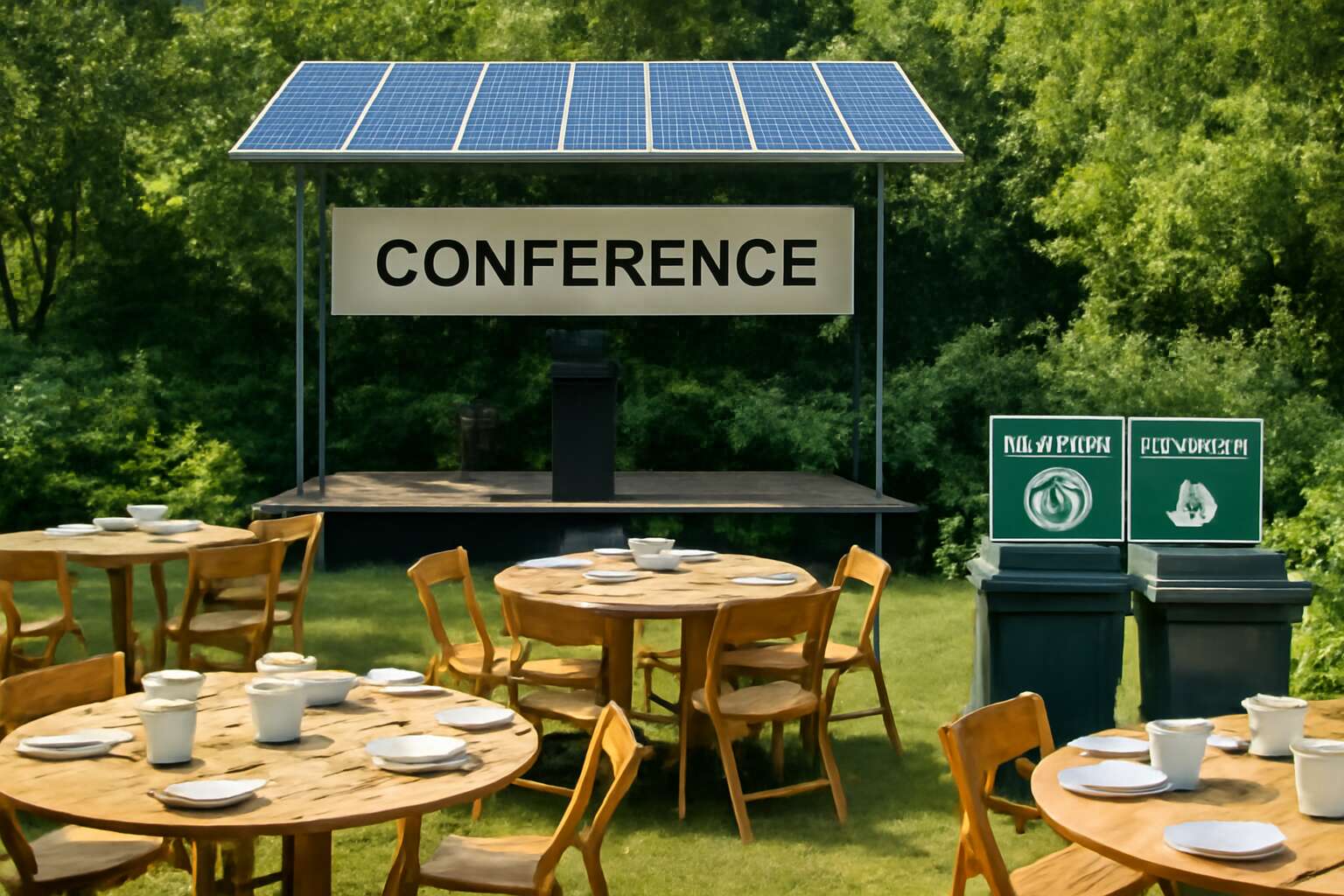
- Energy-aware production with solar-backed power and modular stages
Behind the data are people—the volunteers, farmers, and town planners who value connection as much as conservation. This is the essence—practical, principled, and deeply human.
Sustainable Technology and Resource-Efficient Solutions
Early pilots report transport emissions slashed by up to 40% when audiences mix on-site and online, a statistic rewriting how we plan gatherings in South Africa. In event management and sustainability, the future hinges on smarter tech, regenerative power, and place-conscious design. Expect data-driven optimization, modular stages that travel light, and energy systems that calibrate to consumer demand without waste.
- AI-powered planning and real-time supply-chain optimization to cut waste and over-ordering.
- Biodegradable materials and packaging, with on-site composting and circular reuse.
- Water-wise sanitation and rainwater capture integrated with venue design.
These trends keep people at the heart, turning spectacle into stewardship.
Circular Economy Approaches and Dematerialization
A 40% cut in transport emissions is not just a statistic—it’s a signal that how we stage gatherings must evolve, especially here in South Africa. Innovations now hinge on circular economy approaches and dematerialization, reshaping event management and sustainability into practices that reward longevity, flexibility, and responsible design.
- Circular economy: reuse, repair, and material loops.
- Dematerialization: digital experiences and modular stages.
- AI-driven logistics: data-powered planning to curb over-ordering.
- On-site energy: storage and regeneration aligned to demand.
These shifts keep people at the heart, turning spectacle into stewardship and inviting all partners—from vendors to venues—to co-create a more resilient future!
Community Engagement and Social Sustainability Initiatives
Staging an event is stewardship in motion; crowds become chorus, not crowd noise. In South Africa, innovations that embrace community, resilience, and shared purpose are reshaping event management and sustainability—not as a burden, but as a living promise. The spark is tactile: design that respects people, place, and the pulse of the night.
From participatory planning to inclusive access, several shifts empower communities to co-create memorable, meaningful experiences.
- Participatory design workshops with local communities and vendors
- Transparent, open-data planning that invites citizen input
- Long-term social value programs—apprenticeships and local mentorship
Beyond the marquee, the trend leans toward shared ownership, local storytelling, and social sustainability initiatives that outlast the event itself—reweaving urban and rural threads into vibrant futures for South Africa’s event ecosystems, guided by responsible design and compassionate collaboration.
Case Studies and Benchmarking for Continuous Learning
Bold moves in innovations and future trends in sustainable events prove the future isn’t a myth—it’s a blueprint. In SA, case studies and benchmarking turn learning into action, not rhetoric. As a Cape Town curator puts it, “The future of event management and sustainability is a conversation, not a sermon.”
- Real-time impact dashboards track waste and energy.
- Peer benchmarks for supplier sustainability credentials.
- Longitudinal case studies on apprenticeships and local outcomes.
From micro-challenges to city-wide gatherings, benchmarking becomes practical wisdom—keeping the practice alive between editions.



0 Comments